Made some hard cider while I had some free time. I've been brewing beer and cider on and off for a few years now and since it had been a decent amount of time since I brewed I decided to get back into it with an almost fool proof hard cider. I also picked up ingredients for a barleywine that I have had a lot of success with in the past. Hopefully I''ll get to brew the barleywine sometime this week. The cider recipe is one that I have used for making cider for a parties or to give as cheap gifts during the holidays.
Cider Recipe:
-5 Gallons Kirland Apple Juice
-3 lbs dark brown sugar
-3 lbs honey
-Muntons Ale Yeast
-5 Tsp Yeast Nutrient
Heat 2 gallons of cider and add sugar and honey until mixed well, combine with the 3 other gallons and the yeast nutrient in fermenting bucket. Pitch the yeast and let ferment for 8-10 weeks. O.G should be around 1.075-1.085. This cider usually finishes pretty sweet but can be fished dry with the addition of champagne yeast and can be back sweetened if it does end up too dry. I usually cold crash the cider and then bottle in half gallon bottles with no carbonation although I'm debating bottling in 22oz'ers and carbonating it. Its not the most complex beverage but definitely drinkable. This ferments to a fairly high alcohol content, 8-10% so enjoy in moderation.
Saturday, October 10, 2009

Wednesday, October 7, 2009
Technical Drawings
I've always found well done mechanical drawings interesting. A lot of it may have to do with the fact that even though I've taken courses in drafting, I can still barley make a passable drawing by hand if my life depended on it. Recently, thanks to the wonderful developments of computer aided design programs I can now make drawings that are completely precise and show each component in perfect location and size to one another. While CAD technology was still developing mechanical drawing that were more of an illustration of the device were still necessary but with the ability of computers to render textures quickly and in greater detail this too is a task that has been digitized. This recent ability to create drawings so effectively is almost a shame. Drawings created using software are one of the best examples of how technology can sterilize what was once an art.


 Designs by Da Vinci
Originally technical drawings were just used to convey an idea, showing the basic way a device would be constructed, parts were shown to an approximate scale but no exact measurements were given. Notes on the drawing were critical to its understanding, giving an explanation to way the device was intended to function. It was then up to the designer and manufacturer to collaborate to assemble a working version of the device. Artists and designers such as Da Vinci pioneered the use of specific geometric views display an idea in a way that was easy to visualize.


18th and 19th Century Technical Drawings
Up until the 20th century technical drawings would remain at the level of a sketch, usually accompanied with a wooden model to demonstrate the main principles. This wooden model was often used as the main template for actual manufacture. With the development of standardized and interchangeable parts the role of the technical drawing became a much more important one. Before the advent of a interchangeable parts a manufacture would simply create a part that worked or fit for the application and then just keep replicating that part. Now with standardized screws, nuts, bolts, springs and shafts being manufactured on a large scale which made them cheaper to buy than producing an individual batch yourself engineering drawings were needed to call which standardized part was supposed to be used were. Also with the standardization of technical drawings themselves a drafter could send a drawing out to a manufacturer who would know what all of the symbols and nomenclature meant and he would be able to a return a finished product just as the drafter has intended.


 19th century Technical Drawings
Recently there has been a separation of manufacturing oriented drawings and educationally oriented drawings. Most technical drawings used are simple wire frame views of a component that show dimensions and other information for productions but contain little information on the function of a product. Technical illustration is a term that is now used to describe the colored and shaded drawings of a product that often show a cut away section revealing the operating mechanisms. I remember fondly seeing these types of pictures in the way things works books and issues of popular science. I will probably make another post with pictures of some pretty hilarious patents that I have seen floating around.


 Designs by Da Vinci


18th and 19th Century Technical Drawings


 19th century Technical Drawings
Recently there has been a separation of manufacturing oriented drawings and educationally oriented drawings. Most technical drawings used are simple wire frame views of a component that show dimensions and other information for productions but contain little information on the function of a product. Technical illustration is a term that is now used to describe the colored and shaded drawings of a product that often show a cut away section revealing the operating mechanisms. I remember fondly seeing these types of pictures in the way things works books and issues of popular science. I will probably make another post with pictures of some pretty hilarious patents that I have seen floating around.
Tuesday, October 6, 2009
Le Samourai
There is something about a calm, collected and methodical protagonist that seems to be so much more masculine than the brash, gung-ho, action star. To me the ability to predict and control a situation so that things go your way with minimal amount of effort is hands down cooler then being able to simply brute force your way to your goals. It might be engineer in me that finds the efficiency of the actions taken by these characters so appealing. Almost the opposite is the appreciation of the elegance they have in their interactions with other characters.
 Jef Costello, the main character in Jean Pierre Melville's 1967 crime thriller Le Samourai is a prime example of an intelligent and determined character. The movie centers around his attempt to escape both the arm of the law and the people that hired him after he carries out a hit on a local nightclub owner. The police pursue Costello attempting to collect enough evidence to pint he murder on him, while his former employers engaged that he allowed him self to be brought in by the police try and silence him to protect themselves. Costello must juggle the task of avoiding the police while trying to find the man who hired him. Of course there are two different women that he becomes involved with that further complicate things.

Costello remains enigmatic throughout the entire film. His dialogue is extremely minimal, the film never makes mention or explanation of his past, and his interactions with characters contain little emotion. He lives in a barren cramped apartment which he shares with two birds who occupy a small cage in the center of the room. He continually wears the same suit, coat, and hat for the entire movie. It is easy to see the influence Costello had on characters such as Leon in The Professional and Forest Whitaker character in Ghost Dog.
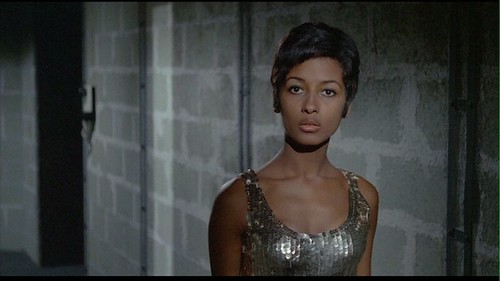 The style of the movie is impeccable. Its amazing how well most of the scenes, dialogue, and wardrobe have aged. Costello's jacket and hat combo could easily be found in any GQ ad. Some of the technology used to track Costello is kind of laughable now but doesn't detract form the film. Much of the movie is so well done it almost seems like a re-make of a classic film, or a modern film set in the late 1960's. It is kind of funny that the most dated thing in the entire movie is the home of Valerie, the pianist. The home is intended to be that of someone who is living a life of luxury, with the most modern and expensive furniture that was available at the time. Unfortunately now it comes off with almost an Austin Powers hilarity to it, with ridiculous late 70's color schemes, heavy on the gold and white, all sorts of bulbous plastic creations are used to decorate the rooms, and the lighting gives it an almost space station feel. It's interesting that the scene that was probably the most modern when the film was made, has aged the worse.

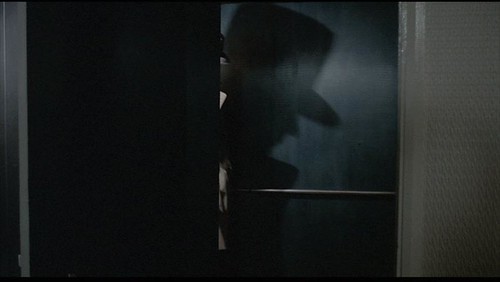
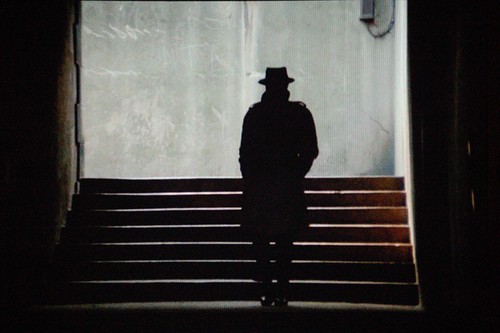
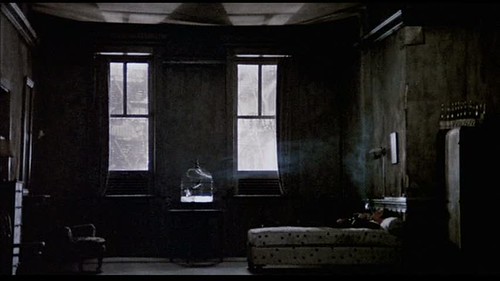
Jef Costello, the main character in Jean Pierre Melville's 1967 crime thriller Le Samourai is a prime example of an intelligent and determined character. The movie centers around his attempt to escape both the arm of the law and the people that hired him after he carries out a hit on a local nightclub owner. The police pursue Costello attempting to collect enough evidence to pint he murder on him, while his former employers engaged that he allowed him self to be brought in by the police try and silence him to protect themselves. Costello must juggle the task of avoiding the police while trying to find the man who hired him. Of course there are two different women that he becomes involved with that further complicate things.Costello remains enigmatic throughout the entire film. His dialogue is extremely minimal, the film never makes mention or explanation of his past, and his interactions with characters contain little emotion. He lives in a barren cramped apartment which he shares with two birds who occupy a small cage in the center of the room. He continually wears the same suit, coat, and hat for the entire movie. It is easy to see the influence Costello had on characters such as Leon in The Professional and Forest Whitaker character in Ghost Dog.
The style of the movie is impeccable. Its amazing how well most of the scenes, dialogue, and wardrobe have aged. Costello's jacket and hat combo could easily be found in any GQ ad. Some of the technology used to track Costello is kind of laughable now but doesn't detract form the film. Much of the movie is so well done it almost seems like a re-make of a classic film, or a modern film set in the late 1960's. It is kind of funny that the most dated thing in the entire movie is the home of Valerie, the pianist. The home is intended to be that of someone who is living a life of luxury, with the most modern and expensive furniture that was available at the time. Unfortunately now it comes off with almost an Austin Powers hilarity to it, with ridiculous late 70's color schemes, heavy on the gold and white, all sorts of bulbous plastic creations are used to decorate the rooms, and the lighting gives it an almost space station feel. It's interesting that the scene that was probably the most modern when the film was made, has aged the worse.
Friday, October 2, 2009
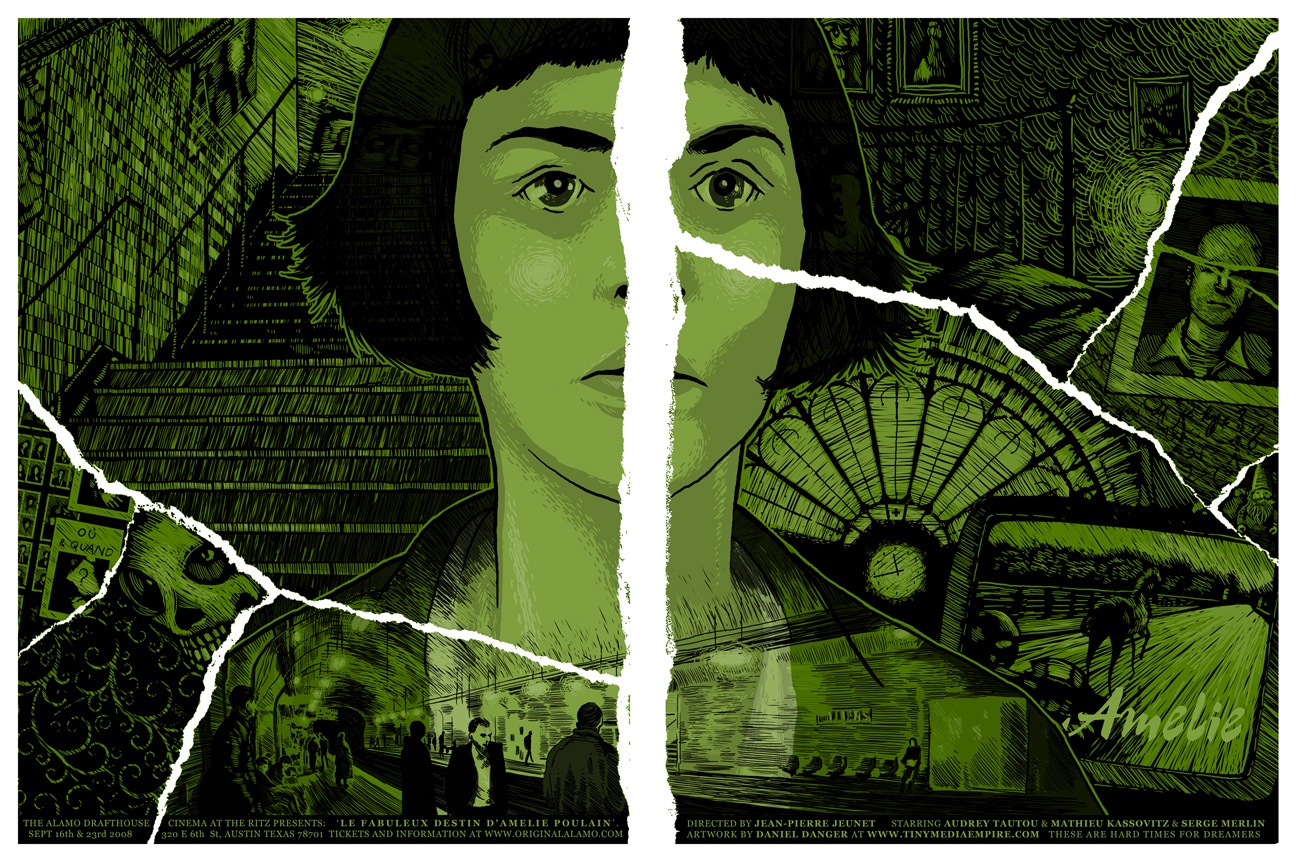
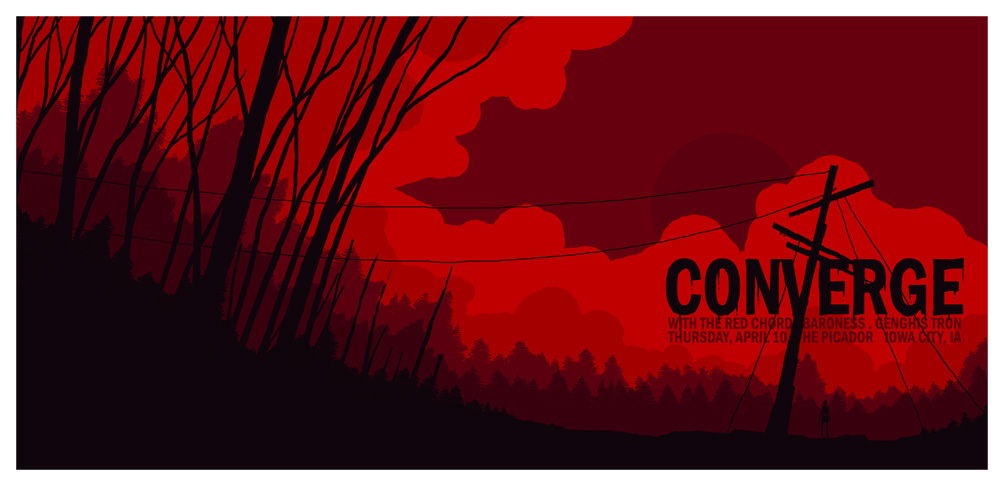
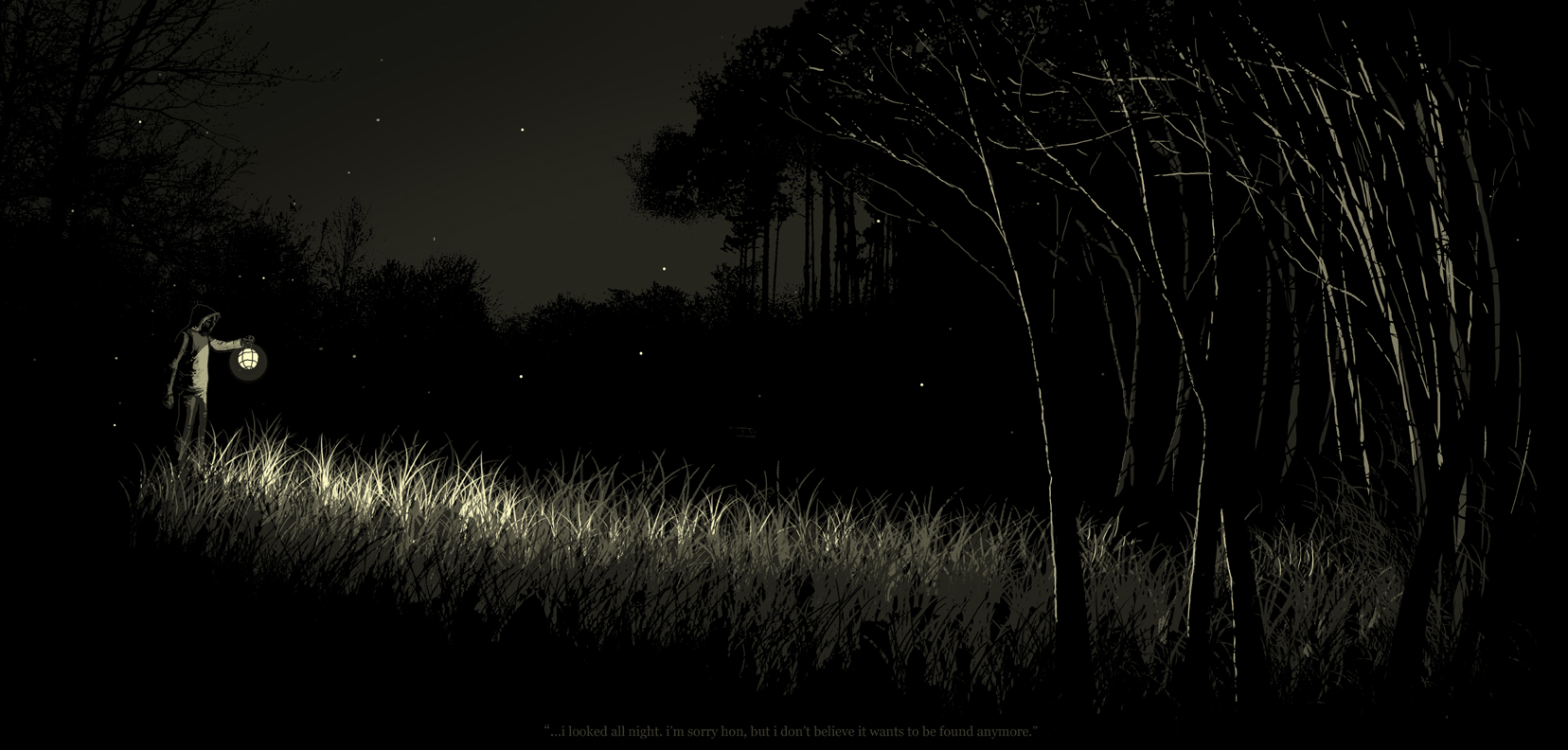
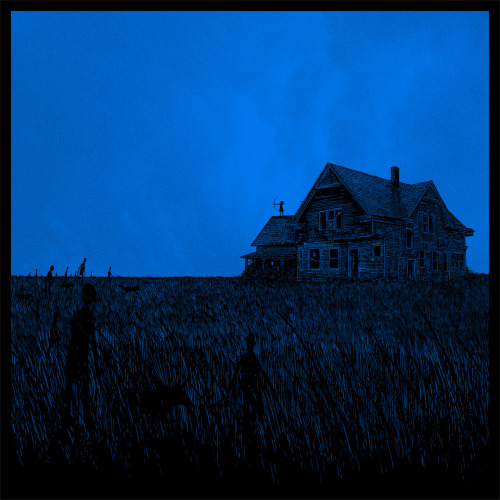
Daniel Danger
One of my favorite print makers. Puts out tons of stuff, always good. Visit his site for more info: here
 You push and pull like wolves at the door but all I hear is humming
 everything still exists, you need to keep moving
 I'd sink to the streets if I wasn't buried in your hands
 and I need sunny days
 An epic pairing


You push and pull like wolves at the door but all I hear is hummingeverything still exists, you need to keep movingI'd sink to the streets if I wasn't buried in your hands and I need sunny daysAmelie

An epic pairing
Subscribe to:
Posts (Atom)
